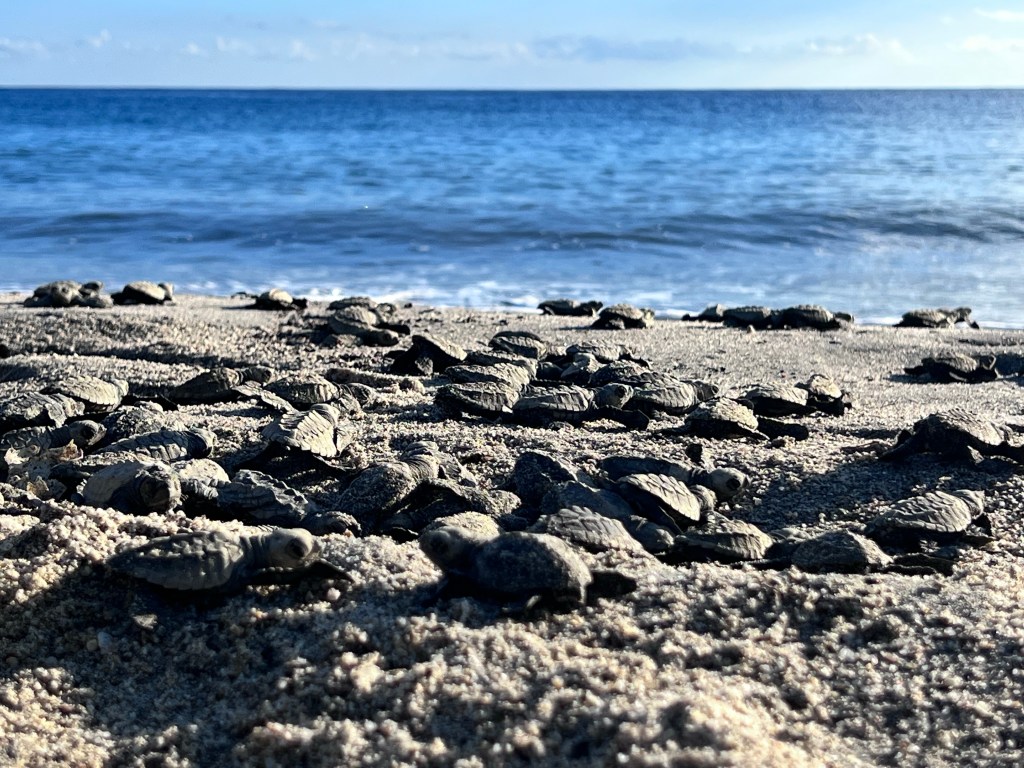
Back home in LB, and the house still not completely back together….mainly because we find other things to do….like going to a turtle release. Friends are in town visiting, so it seemed only right to go “try “to see a turtle release. We have wanted to do it for many years but neither of us are “morning people”. Jet lag has made me more of a morning person (check back in another month) so off we went to the turtle release….
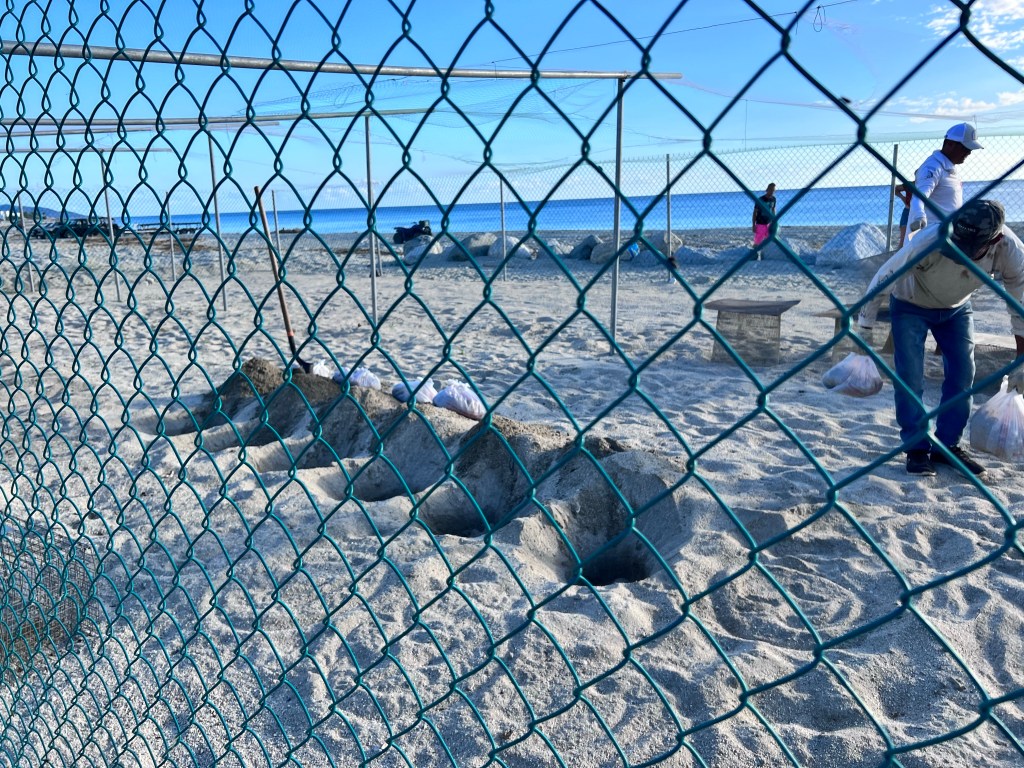
It’s about a 3 minute atv ride (or a ten minute walk) from our home where they keep a fenced in area with what looks like chicken wire hooped cages over the hatching eggs. We could see the tiny turtles from behind the fence trying their best to escape.
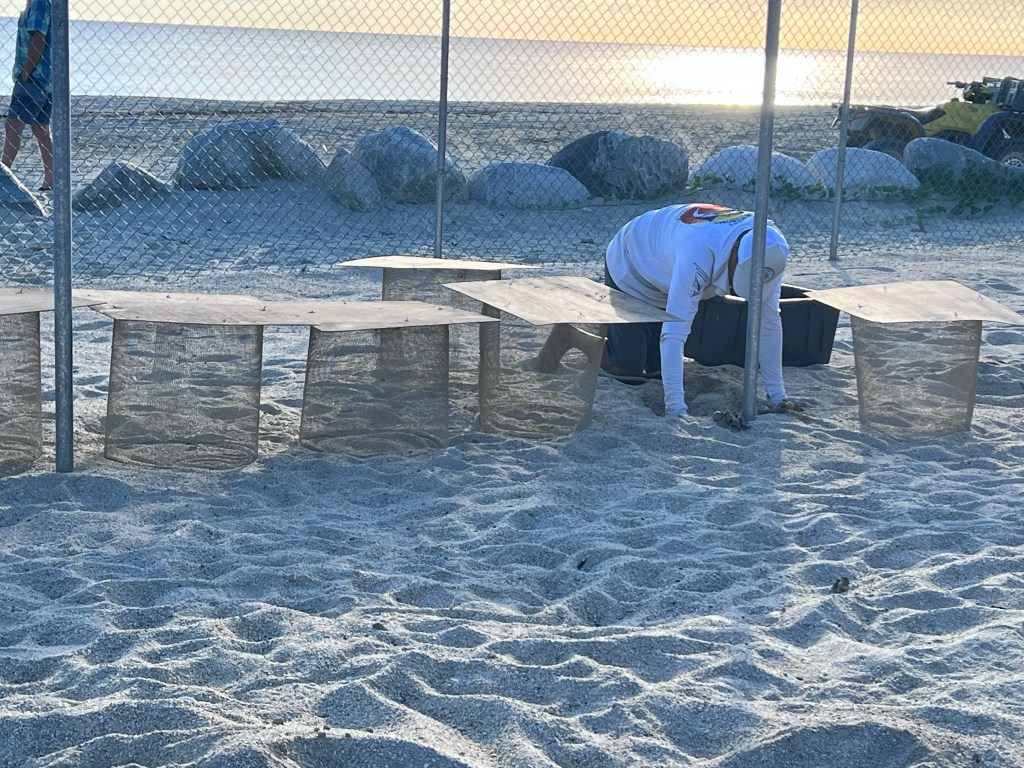
I mentioned “trying” because it was somewhat difficult to figure out how this actually works. When we got there, no one else was around other than the 5 of us. A gentleman on the beach said that we didn’t have to wait for the release because we could just find hem wandering to the beach. He said they already picked up about 5 and moved them to the water that morning. (They are moved so that they aren’t inadvertently run over by an ATV or picked up by a dog or seagull)
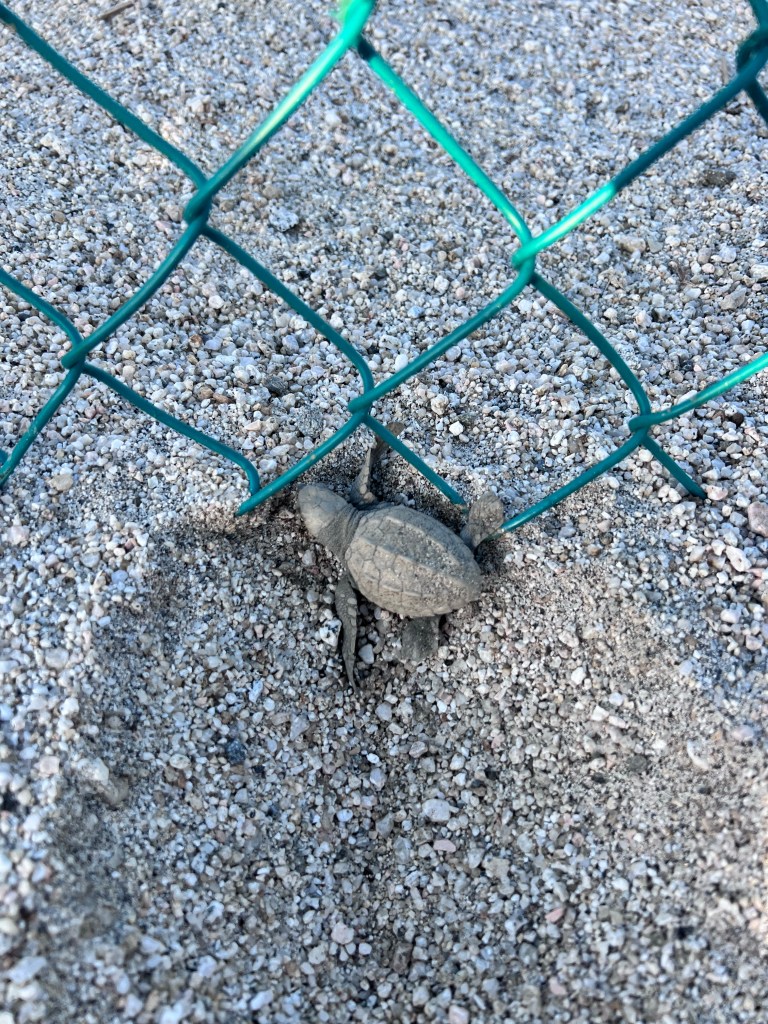
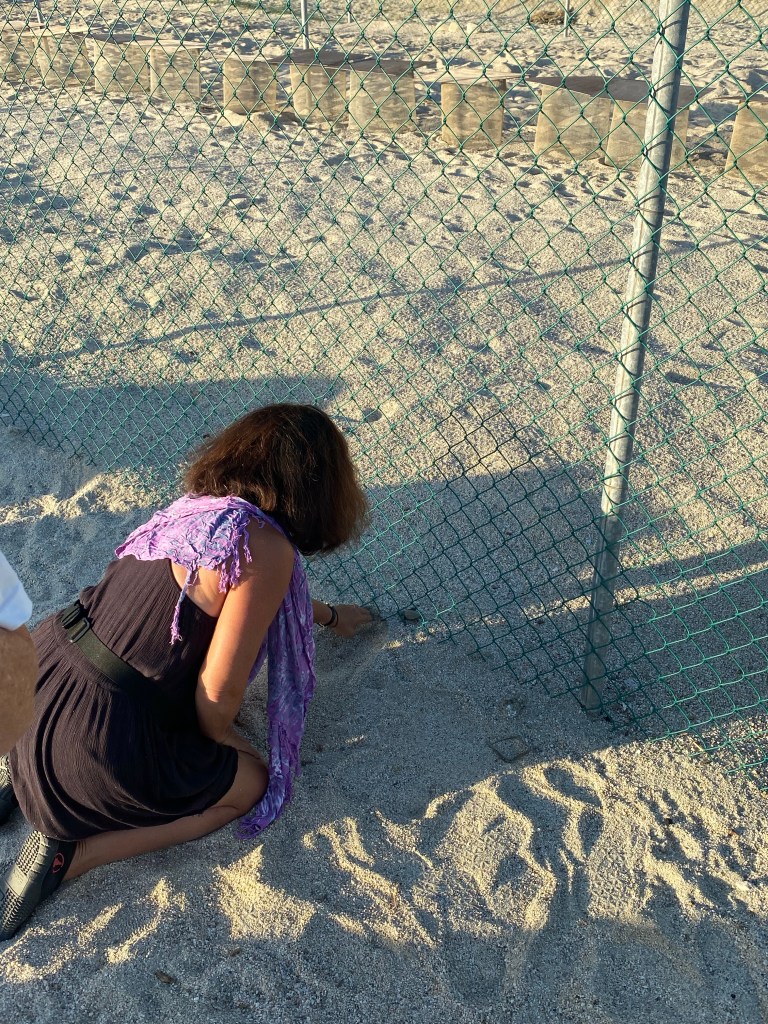

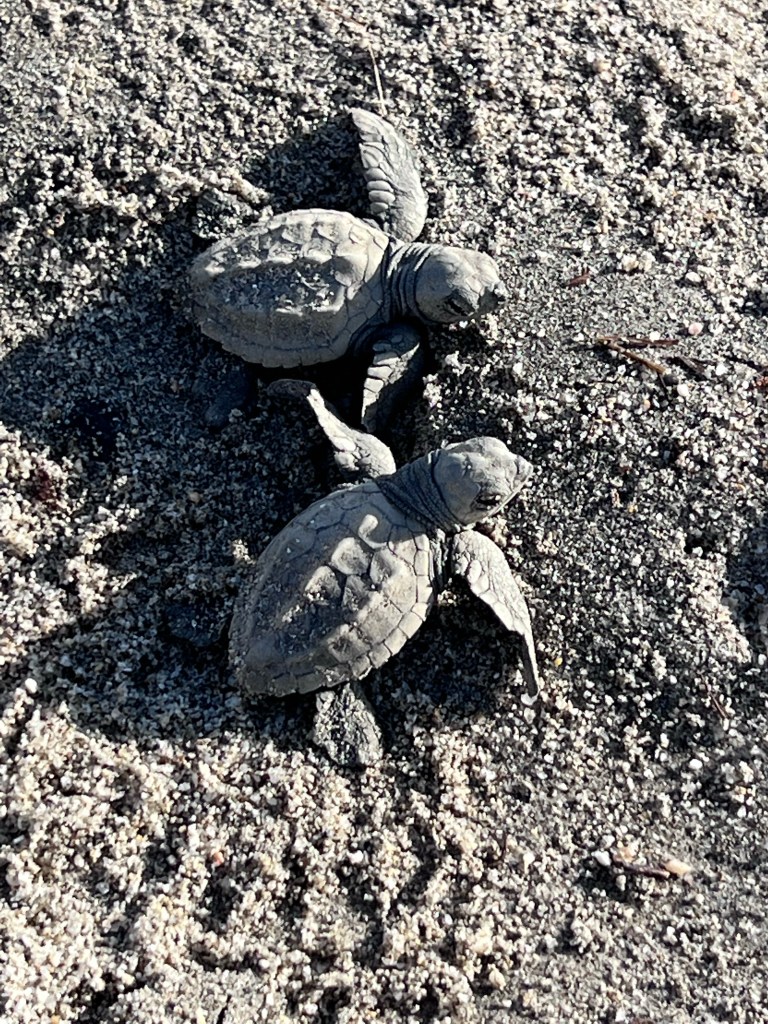
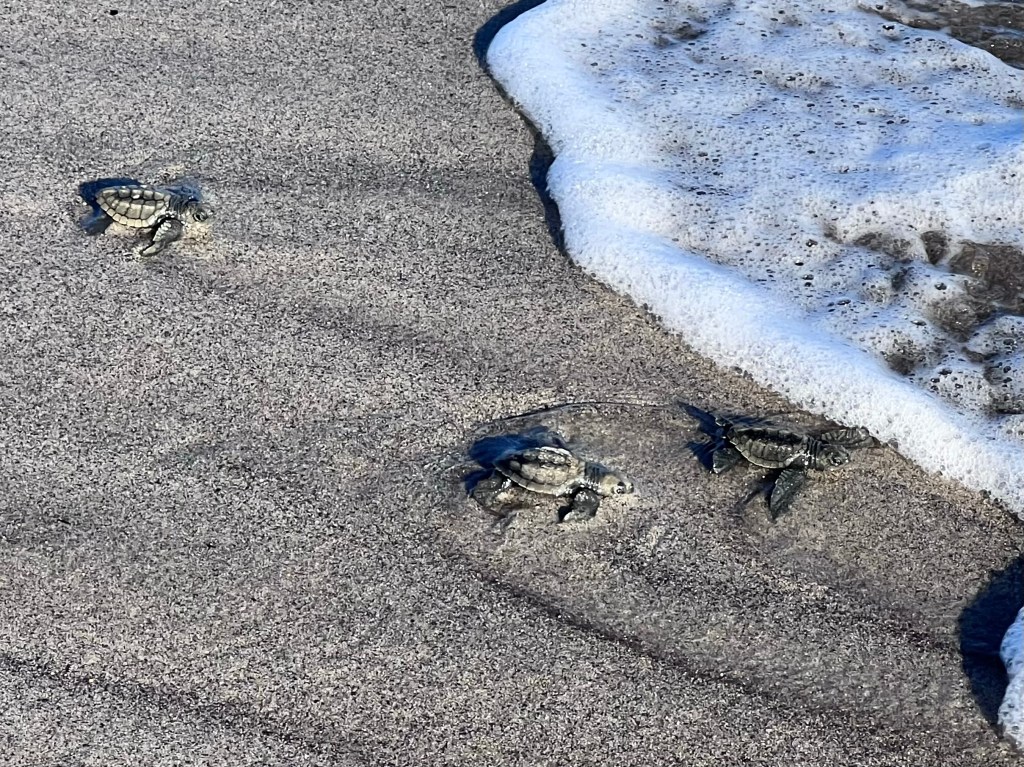
I was puzzled because I had walked on this beach many many times and had never seen a turtle. As we stood there at the chain link fence it suddenly became clear what was happening. We looked down and saw a little gal trying to make her way through the fence and then we noticed another that had already crawled under the fence. We carefully (and joyfully assisted: scooped them up in sand to avoid human touch (bacterial spread either way). They seemed so tiny and fragile and yet so determined to get to the water. When I blocked the rising sun the turtle changed course….ahah…they really are headed to the rising sun. My phone flashlight got her back on course.
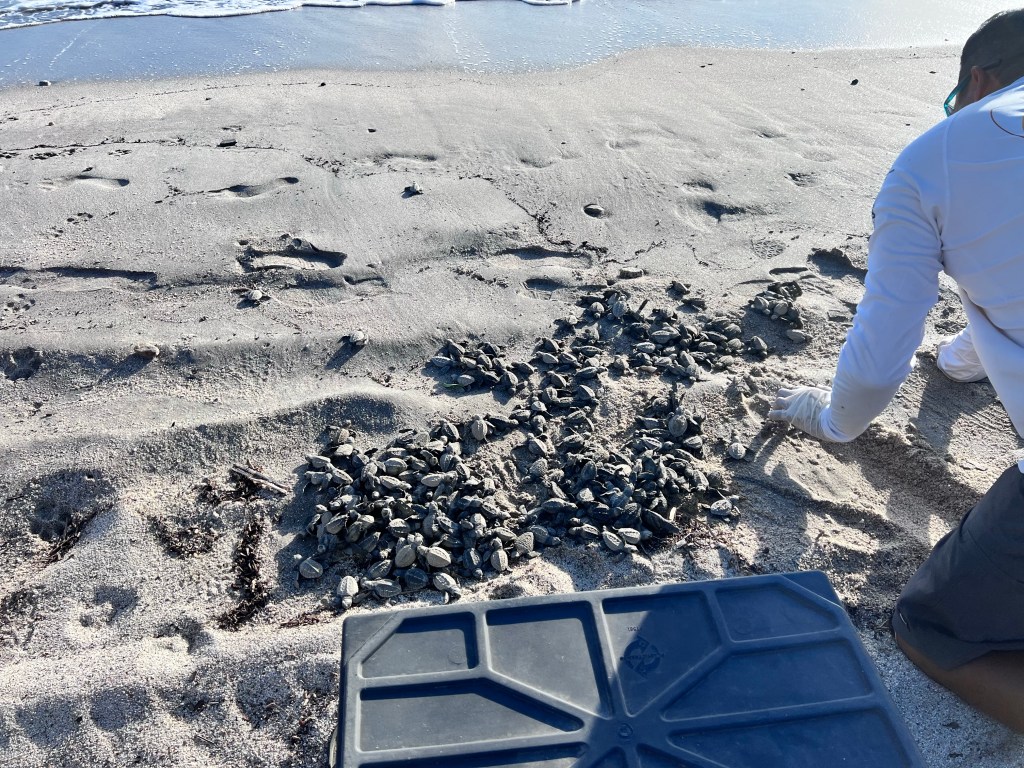
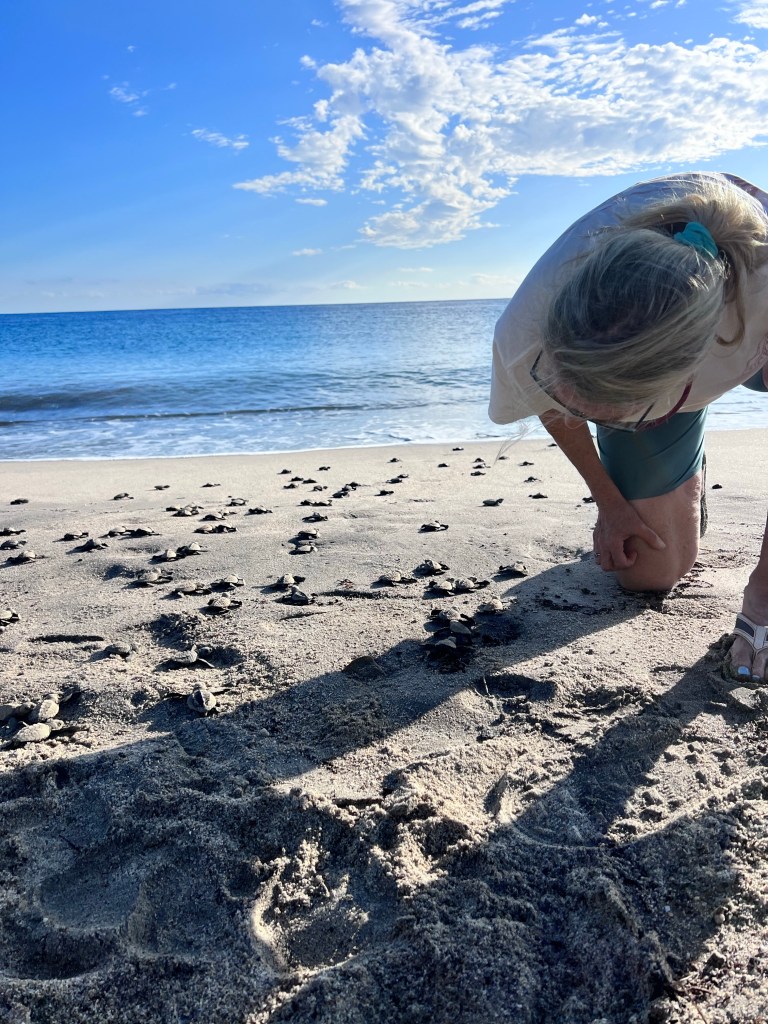
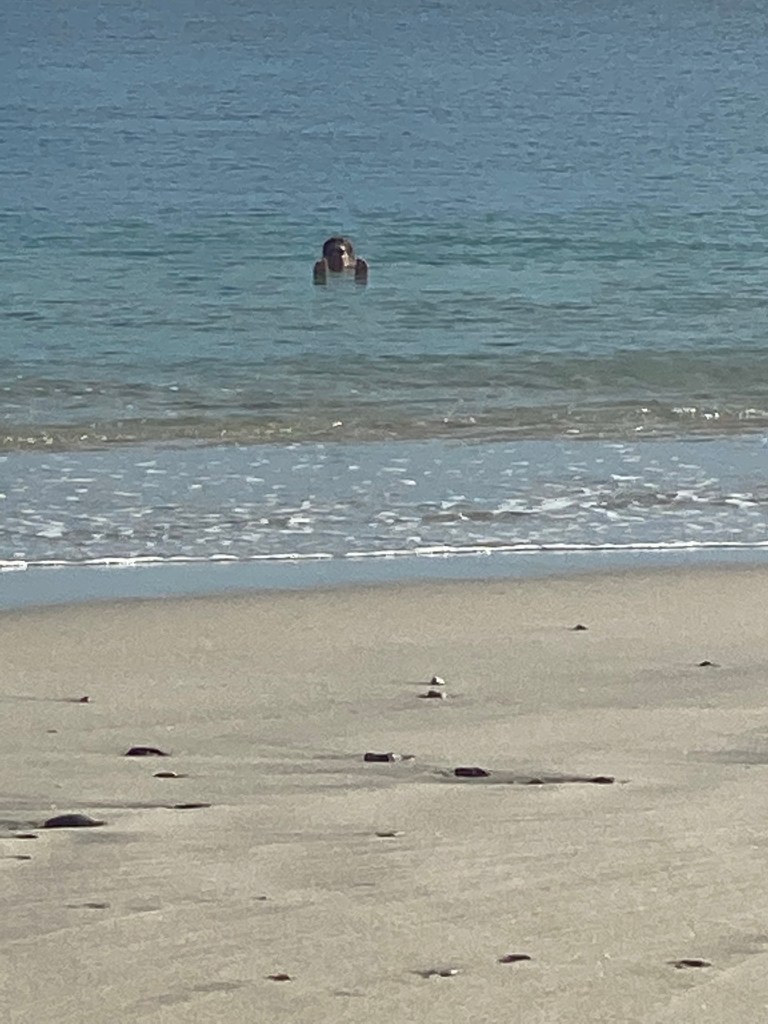
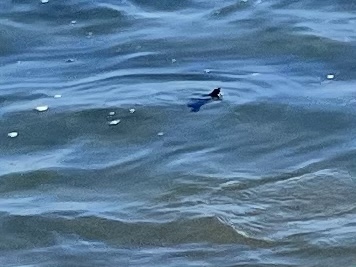
I have heard what an amazing experience this is and while I have always wanted to do it, I was surprised by how much fun we had. Just wonderful to see the little turtles crawl as fast those little legs would take them into the surf and just swim away. After about a half hour they were all gone except for the occasional bob of a tiny turtle head to get air. Sadly one was scooped up by a gull.
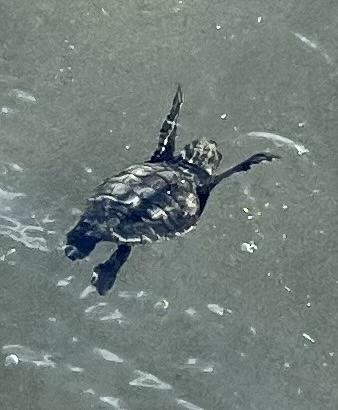
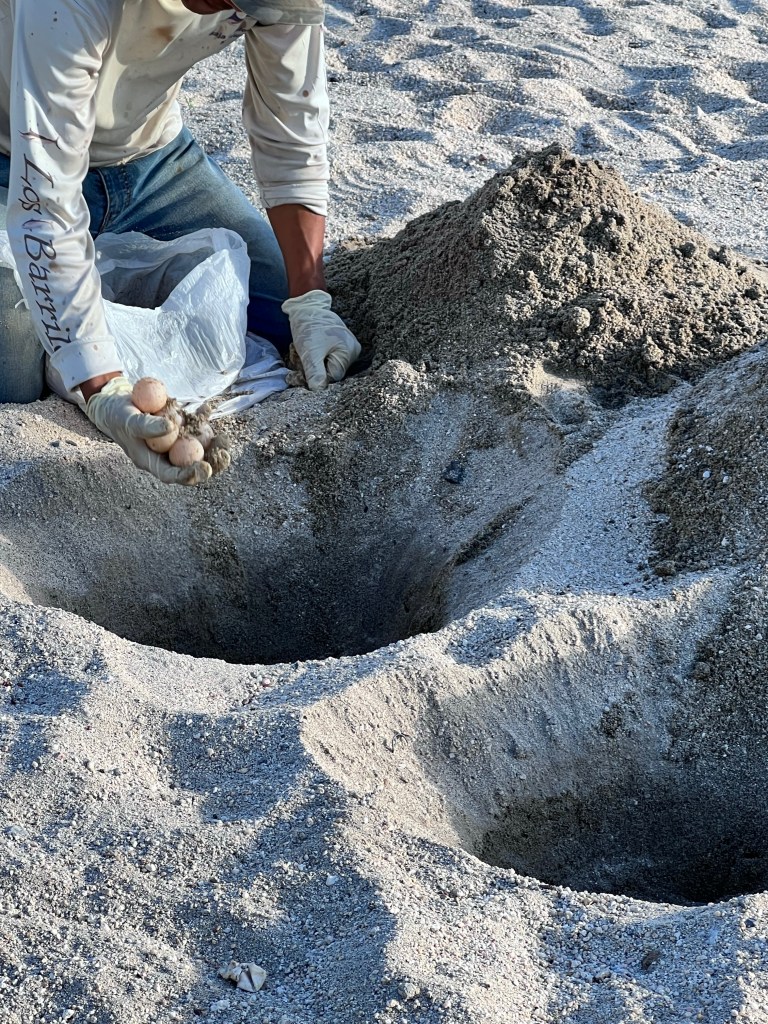
So for several months of the year, a group of people (many I believe in the same family) take an ATV down the beach every morning. They cover several miles of the coast and when they see the mama turtle marks on the sand, they hop off their atv and dig up the eggs. When they arrived that day, they had 84 new eggs to bury.
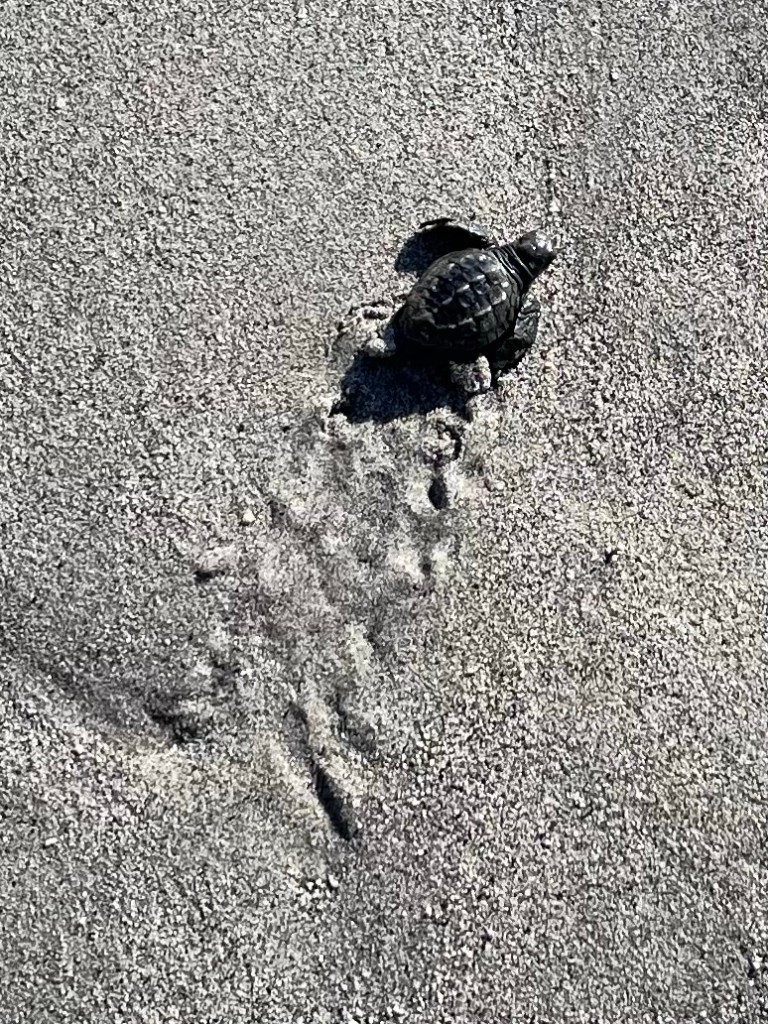
These are Olive Ridley Sea Turtles. They are the most common and smallest of the sea turtles—-only growing to a max of 100 pounds. They return to the same beaches every year …but just the females who have to be 30 years old before they can lay eggs.
 Life's Been Good To Us So Far!
Ok very cool! We saw the turtle release as you know when Wendy P visited but we didn’t learn this much information. There were many people there when we were there so the turtle guy was really busy. (Could have looked it up though; It’s an incredible work of Mother Nature, Had no idea they are 30 when they return. Great pics.
LikeLike
It was pretty clear they were not doing it for our education! Except for saying they got 84 eggs…plus we had to do it all in Spanish. I looked it all up. Rena has been to many and says this is best one because usually there are more people than turtles. Only 7 people that morning
Sent from my iPhone
>
LikeLike
Will that was very cool and educational!
Sent from my iPhone
>
LikeLike
So glad you guys got up early to experience this special event and document it for us!! Very informative. “…hot chicks and cool dudes is true for turtles too.” – hilarious! Thanks a bunch.
LikeLike